The Silk Square Beyond the Neck: Wearing the Classic Scarf Like It's 2026
The silk square is the classic accessory most wardrobes own and never wear — the inherited Hermès-style squares folded in drawers — while modern styling has quietly made it the most versatile piece in the accessory drawer. The silk-square guide.
The Renaissance
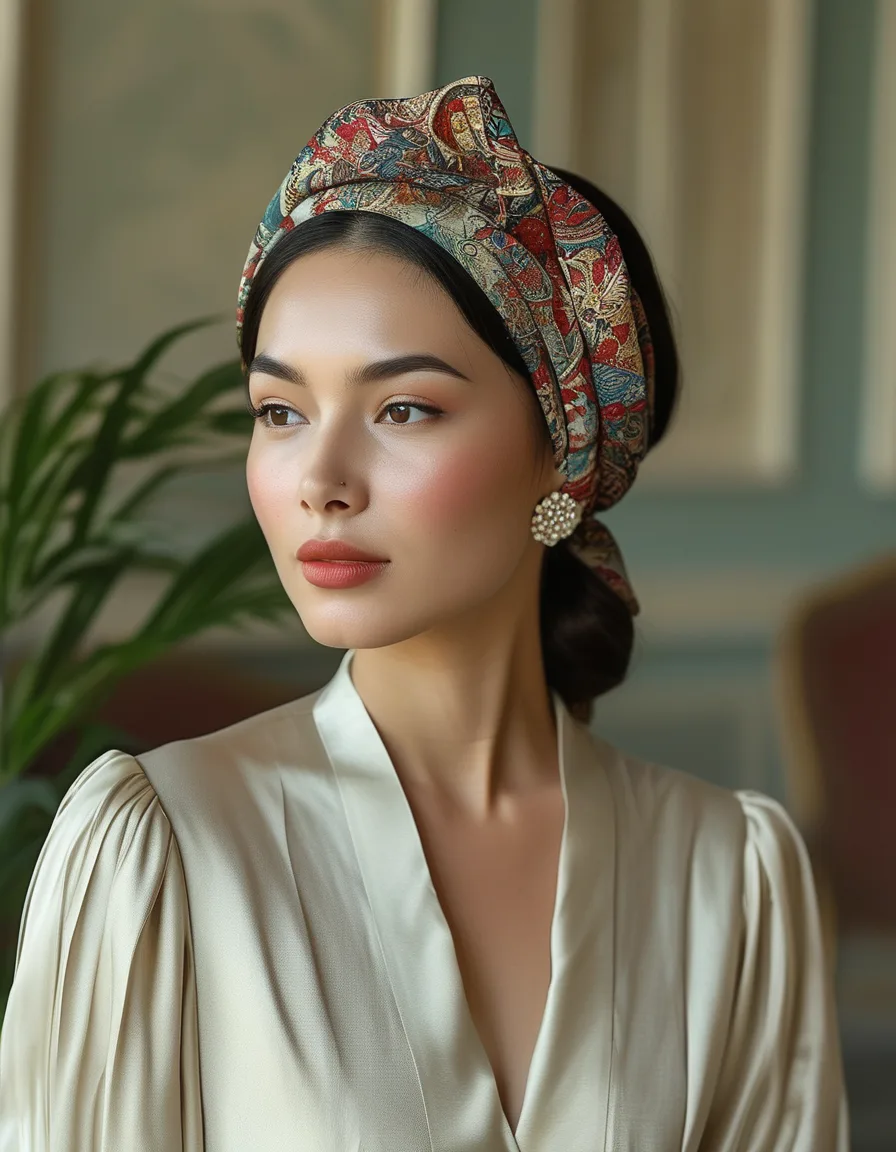
Why the square is back: the vintage-value moment (the silk squares being secondhand gold — the inherited-and-thrifted supply meeting the renewed demand per the thrift logic), the modern-styling shift (the square escaped the neat neck-knot — the hair, bag and belt applications reading current), the quiet-luxury alignment (the silk square being the quintessential quiet signal — the pattern-and-quality speaking without logos per the quiet-luxury logic), the one-accessory-many-outfits economics (the square recoloring every neutral outfit — the highest-rotation accessory per square inch), and the generational bridge (the grandmother’s scarf worn the granddaughter’s way — the heirloom activated per the sentimental logic).
The Modern Moves
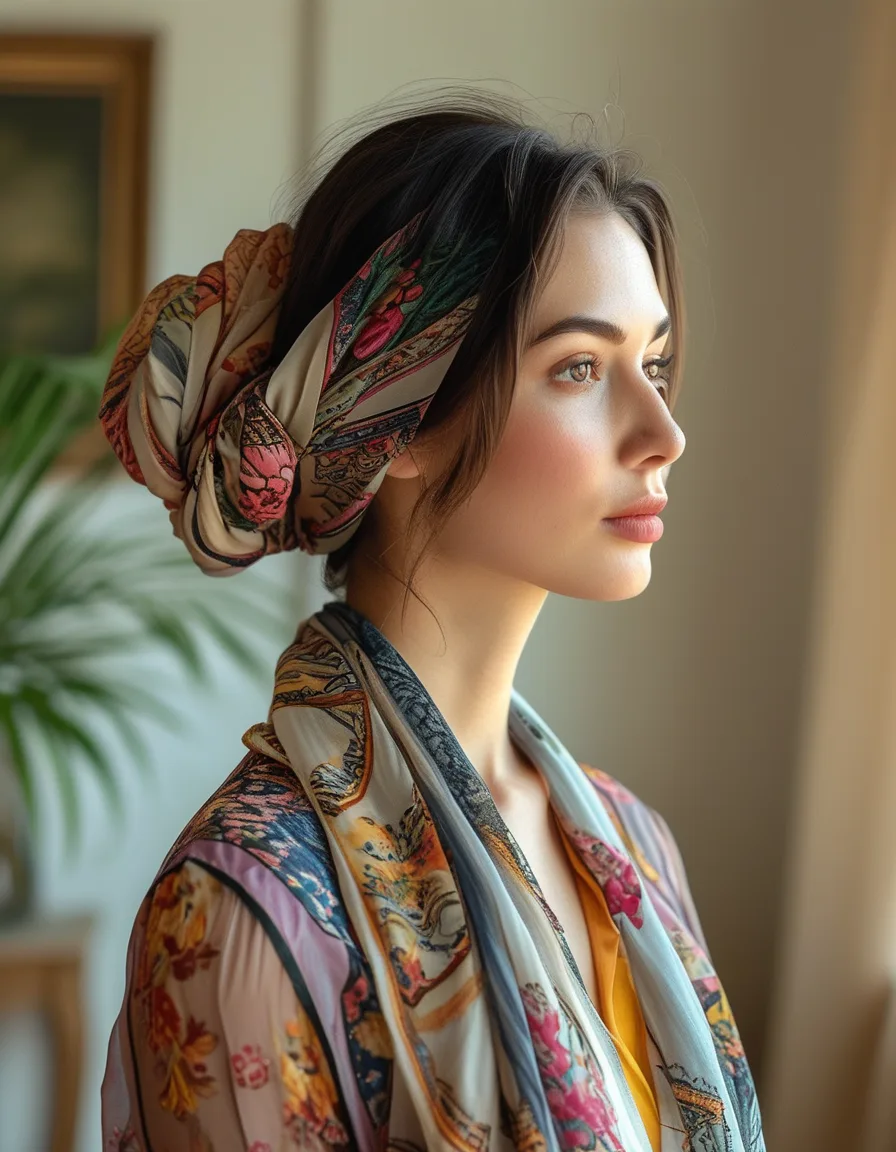
The styling library: the hair applications (the headband fold, the ponytail wrap, the bun-tie — the claw-clip-plus-scarf hybrid; the hair moves being the square’s most current use), the neck styles updated (the loose cowboy drape replacing the tight air-hostess knot — the long-fold choker; the shoulder-drape under a blazer), the bag styling (the handle wrap — the tied-to-the-tote flag; the bag recolored per season without buying bags per the bag logic), the belt conversion (the square folded to a sash — the dress-and-trouser cinch from the belt logic), the top conversions (the halter-and-bandeau summer plays for the confident — the beach-cover crossover from the vacation logic), the wrist-and-ankle accents (the small knots as jewelry-adjacent details), and the men’s-and-androgynous note (the neckerchief energy being gender-free).
The Buying-and-Care Guide
Curating the squares: the size literacy (the 90cm classic doing everything — the smaller bandana squares for hair-and-wrist; the oversized 140s as wraps), the silk-quality tells (the twill weight and hand-rolled edges — the vintage-label knowledge; the polyester-versus-silk hand test), the sourcing strategy (the thrift-and-estate goldmine from the vintage logic — the family drawers audited first; the new-heritage tier for the investment), the pattern selection (the palette matched to YOUR wardrobe neutrals — the multi-color squares that bridge outfits; the one-signature-square minimalism per the capsule logic), the care rules (the silk hand-wash-or-dry-clean reality — the rolled-not-folded storage preventing crease lines; the perfume-and-silk caution), and the closing frame (the drawer’s sleeping squares activated — the hair tie, the bag flag, the loose drape; the classic worn like now; the heirloom, finally out of the drawer). Ninety centimeters, thrifted or inherited, worn in the hair first: the square, renewed.
The silk square escaped the neat neck-knot: wear it as a headband, ponytail wrap or bun-tie (the most current moves), a loose cowboy drape, a bag-handle recolor or a folded sash belt. Source the 90cm classic from thrift stores and family drawers — silk squares are secondhand gold — and store rolled, never folded.
Keep Reading
This article is for general styling and informational purposes only. Trends, sizing, availability and pricing may vary by brand and season.