How to Look Classic (Without Looking Boring)
Classic style has an image problem. Say the word and people picture something a little safe, a little beige, a little forgettable — the outfit equivalent of a beige waiting room. But done right, classic dressing is anything but dull; it’s the most quietly confident look in the room.
Quick Answer: Classic style avoids looking boring when you play with proportion, add exactly one unexpected detail, layer in texture, and obsess over fit. The pieces themselves — trousers, blazers, knits — stay simple, but how you combine and wear them is what separates “quietly chic” from “forgettable.” Fit above all else is the single biggest lever you control.
Why Does Playing With Proportion Matter So Much?
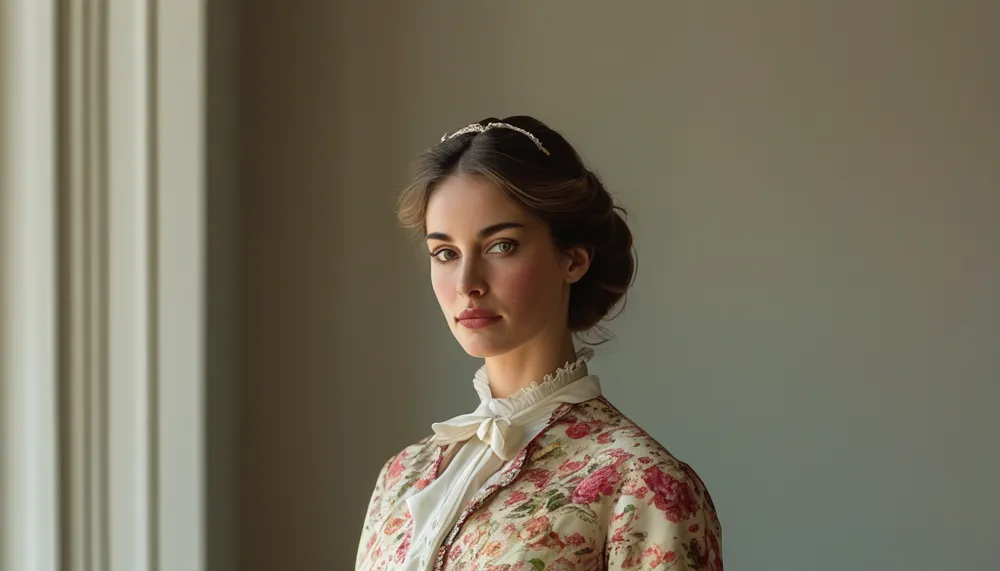
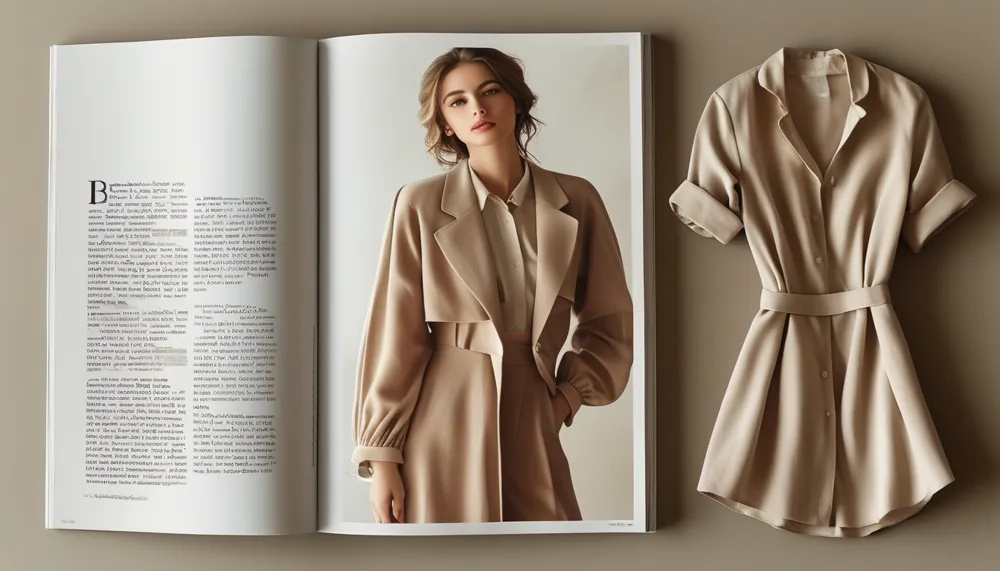
The easiest way to keep classic pieces from reading as staid is to shift the proportions you’re used to. Tuck an oversized shirt into high-waisted trousers, or pair a fitted knit with a voluminous midi skirt. Same wardrobe staples, entirely fresh silhouette — no new shopping required.
This works because your eye reads proportion before it reads anything else about an outfit. Change the proportion and the exact same navy blazer or white shirt suddenly looks current instead of dated.
How Many “Surprise” Details Should an Outfit Have?
A classic outfit sings when you add a single unexpected note — a red lip against an all-navy look, a pair of sculptural earrings with a plain white tee, or a metallic flat where you’d expect a nude pump. One surprise reads as chic and intentional.
Three is chaos. Stack too many unexpected elements and the outfit stops looking curated and starts looking like you couldn’t decide. Pick your one moment, then let everything else stay quiet around it.
How Does Texture Keep a Neutral Outfit Interesting?
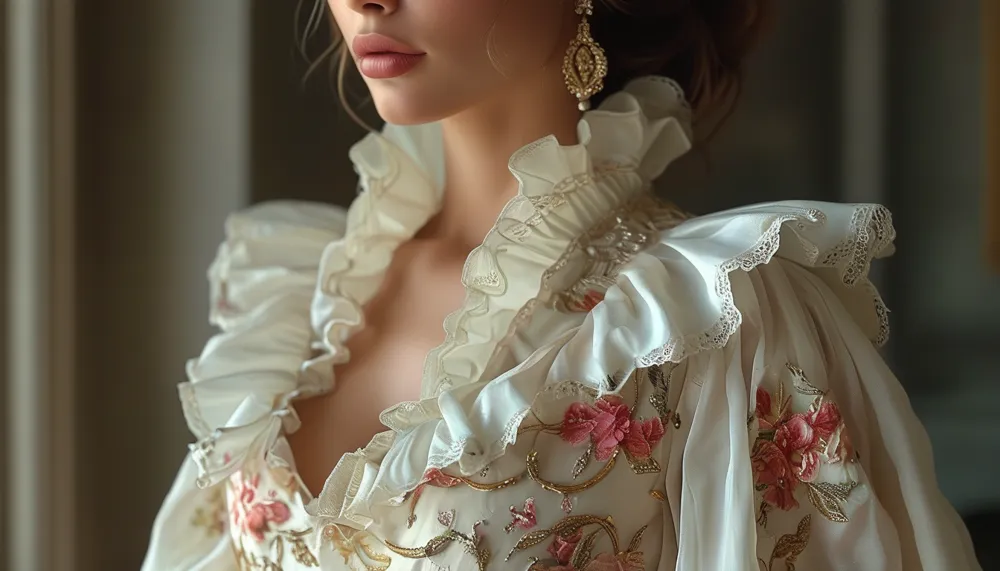
When your colors are quiet — navy, cream, black, camel — texture does the heavy lifting that color would normally do. Mix a chunky knit with sleek leather trousers, or a silk blouse with raw denim. The contrast reads as intentional and, frankly, expensive, even when the pieces themselves are affordable.
A few texture pairings that consistently work:
- Chunky knit + sleek leather (trousers or a skirt)
- Silky blouse + raw or dark denim
- Matte wool coat + a glossy bag or shoe
- Structured tailoring + one soft, slouchy piece
Why Is Fit the Most Important Rule of All?
Nothing looks more boring than a classic piece that fits badly. Nothing looks more chic than one that fits perfectly. If you take exactly one thing from this article: tailor your basics. It’s the difference between fine and unforgettable, and it costs far less than most people assume.
A $15-25 tailoring appointment on a blazer, a pair of trousers, or a coat can transform how expensive and current it looks — often more than buying a pricier version of the same piece would. Even small adjustments make a difference: taking a blazer in at the waist, shortening sleeves so they hit right at the wrist bone, or hemming trousers to break just once over your shoe.
Think of tailoring as the finishing 10% that turns a decent piece into one that looks custom-made. It’s the step people notice without being able to say exactly why an outfit looks so put-together.
5 Mistakes That Make Classic Style Read as Boring
- Buying everything one size too big “to be safe.” Baggy classic pieces read sloppy, not relaxed — tailoring fixes this instantly.
- Matching every piece in the same neutral with zero texture contrast. All-beige, all-flat-fabric outfits are where “classic” earns its boring reputation.
- Adding three trends at once instead of one. Chasing every micro-trend on top of classic pieces creates visual noise, not polish.
- Skipping accessories entirely. A classic outfit with zero jewelry, bag, or shoe personality can genuinely fade into the background.
- Ignoring shoe condition. This one surprises even stylists — scuffed shoes undercut an otherwise perfectly tailored, expensive-looking outfit faster than anything else.
Mini FAQ
How do I make classic style look more modern?
Shift the proportions of familiar pieces — an oversized shirt with slim trousers, or a cropped jacket with wide-leg pants — and add one current accessory. The classic pieces stay the same; only the silhouette and one detail need to feel current.
Is classic style more expensive than trendy style?
Not necessarily — since you’re buying fewer, better pieces and wearing them for years, the cost per wear is often lower than constantly replacing trend items. The one place worth spending is tailoring, which affects how expensive everything looks far more than the price tag does.
Can classic style work for someone who loves color?
Yes — classic doesn’t require an all-neutral palette; it’s more about clean lines, good fit, and restraint in how many statement elements you combine at once. You can absolutely build a colorful wardrobe around classic silhouettes and still keep the “one surprise, not three” rule, swapping a bold hue in for the “one unexpected note” instead of a print or accessory.
TL;DR
- Shift proportions — oversized with fitted, or fitted with voluminous — to keep classic pieces feeling fresh.
- Add exactly one unexpected detail per outfit; more than that reads as chaos, not chic.
- Let texture do the work color would normally do in a neutral palette.
- Tailoring is the single highest-impact, lowest-cost change you can make.
- Watch for the five common mistakes above — especially skipping tailoring and over-layering trends.
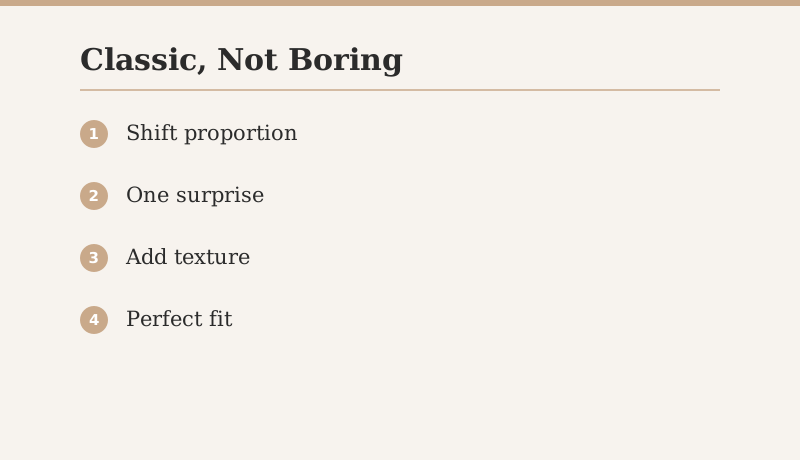
Classic never has to mean boring. Shift your proportions, add one surprise, lean on texture, and obsess over fit — and you’ll prove that the most timeless wardrobe is also the most interesting one.
Keep Reading
This article is for general styling and informational purposes only. Trends, sizing, availability and pricing may vary by brand and season.